
Get Indoor Air Quality Testing in Rosenberg, TX
Indoor Air Quality Testing services for Rosenberg, TX, and nearby areas identify issues like mold, allergens, and pollutants to improve health and comfort in residential and commercial properties.
Indoor air quality testing services are essential for property owners in Rosenberg, TX seeking to ensure a safe and comfortable living or working environment. These services help identify pollutants, allergens, and airborne contaminants that can affect health and overall well-being. By detecting issues early, property owners can address potential problems before they impact daily comfort, reduce the risk of respiratory issues, and maintain a healthier indoor atmosphere.
Engaging professional indoor air quality testing also offers benefits related to the functionality and durability of a property. Identifying sources of poor air quality can lead to improved ventilation and air circulation, which may reduce maintenance needs and enhance curb appeal. Maintaining optimal indoor conditions supports the longevity of building systems and contributes to a more inviting and well-maintained space.
- Indoor air quality testing services are essential for identifying pollutants and allergens in homes or workplaces in Rosenberg, TX and surrounding areas.
- These services are beneficial when experiencing unexplained respiratory issues or persistent odors indoors.
- Indoor air testing can help detect mold, VOCs, or other airborne contaminants that may affect health.
- Property owners considering renovations or new constructions may need air quality assessments before proceeding.
- Individuals seeking a healthier indoor environment can contact local professionals for comprehensive air quality evaluations.

Indoor Air Quality Testing Services
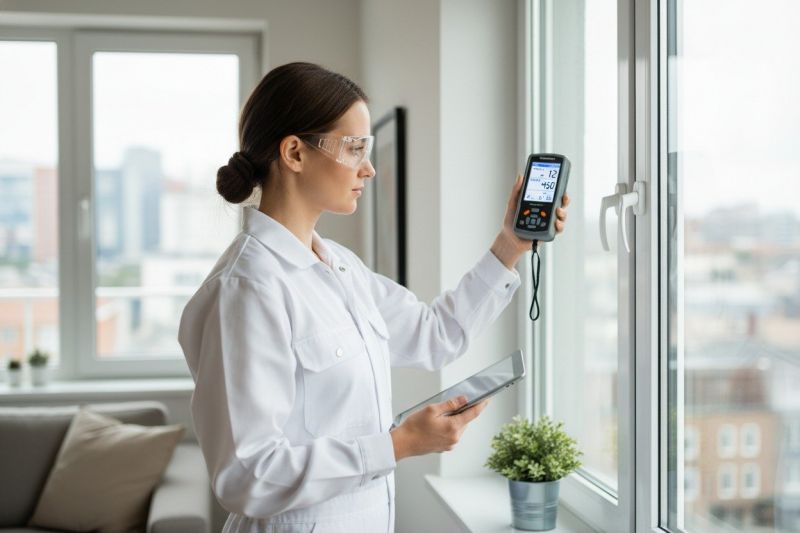
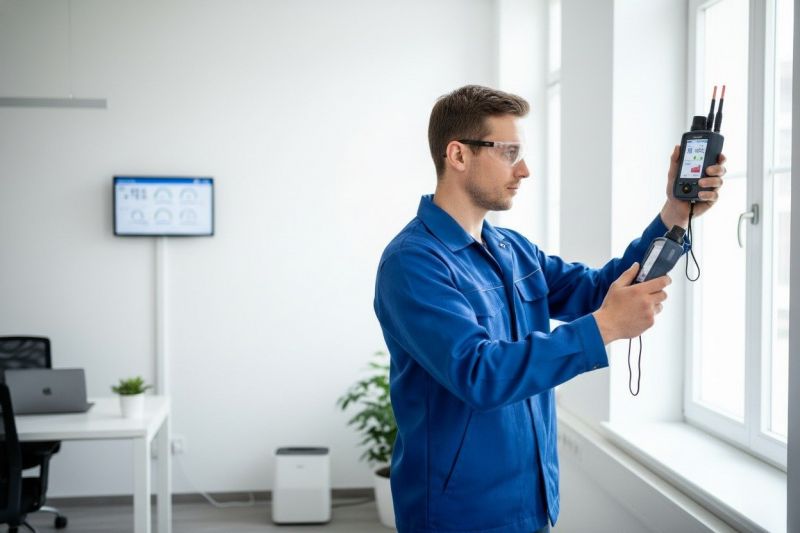
Indoor air quality testing involves assessing the levels of pollutants, allergens, and other airborne particles within a property. This service typically includes collecting air samples and analyzing them for common contaminants such as mold spores, volatile organic compounds (VOCs), dust, pet dander, and chemicals. The goal is to identify potential sources of indoor air pollution that may not be immediately visible but can impact the health and comfort of occupants. By pinpointing specific issues, property owners can better understand the air quality inside their homes or commercial spaces and take appropriate steps for improvement.
This testing service helps address a variety of problems associated with poor indoor air quality. Common concerns include allergy and asthma symptoms, unexplained respiratory issues, persistent odors, and the presence of mold growth. In some cases, indoor air testing can reveal hidden mold infestations behind walls or under floors, which may lead to health problems if left untreated. Additionally, detecting high levels of VOCs or other chemicals can prevent long-term health risks related to chemical exposure. Overall, indoor air quality testing provides valuable insights that support healthier living and working environments.
Properties that typically utilize indoor air quality testing include residential homes, especially those with recent renovations, water damage, or mold issues. Commercial buildings, such as offices, restaurants, and retail spaces, often conduct testing to ensure a safe environment for employees and customers. Healthcare facilities, schools, and daycare centers also frequently rely on air quality assessments to maintain safe conditions for vulnerable populations. In rental properties or multi-unit housing, testing can help identify issues affecting multiple tenants, ensuring compliance with health standards and enhancing occupant well-being.
Partnering with local service providers for indoor air quality testing offers property owners access to professional assessments tailored to their specific needs. These experts use specialized equipment and techniques to accurately measure air contaminants and identify underlying problems. By understanding the current state of indoor air quality, property owners can make informed decisions about necessary improvements, such as ventilation upgrades, mold remediation, or air purification solutions. Engaging with qualified professionals ensures thorough testing and reliable results, helping to create healthier indoor environments across a variety of property types.
The overview below groups typical Indoor Air Quality Testing projects into broad ranges so you can see how smaller, mid-sized, and larger jobs often compare in Rosenberg, TX.
In many markets, a large share of routine jobs stays in the lower and middle ranges, while only a smaller percentage of projects moves into the highest bands when the work is more complex or site conditions are harder than average.
Initial Testing Costs - The cost for basic indoor air quality testing typically ranges from $200 to $500, depending on the size of the space and the number of tests required. For example, a standard assessment of a single room may fall within this range.
Comprehensive Testing Fees - More extensive testing that includes multiple pollutants or detailed analysis can range from $500 to $1,500. Larger properties or complex environments may incur higher costs within this bracket.
Additional Sampling Expenses - If additional samples or specialized tests are needed, costs may increase by $100 to $300 per sample. This is common for testing specific contaminants like mold spores or VOCs.
Consultation and Follow-up - Some providers charge between $100 and $300 for consultation or follow-up testing to verify indoor air quality improvements. These fees vary based on the scope and depth of the assessment.
Actual totals will depend on details like access to the work area, the scope of the project, and the materials selected, so use these as general starting points rather than exact figures.
Indoor Air Quality Testing services help identify pollutants and allergens present in residential and commercial spaces. Local specialists can assess air quality levels to determine potential health concerns.
Environmental Monitoring involves measuring airborne contaminants, such as mold spores or volatile organic compounds, to ensure indoor environments are safe and healthy.
HVAC System Inspection services evaluate heating, ventilation, and air conditioning systems to detect issues that may affect air purity and circulation.
Mold and Mildew Testing helps identify the presence of mold growth that can impact indoor air quality and occupant health.
Radon Testing services measure radon levels in indoor spaces to identify potential health risks associated with this radioactive gas.
Air Purity Assessments provide comprehensive evaluations of indoor air to recommend appropriate filtration or ventilation solutions.

Indoor air quality testing services are provided by various local professionals, each bringing different levels of experience and expertise. When considering options, it’s helpful to evaluate how long the service providers have been operating in the area and their familiarity with common indoor air issues. Experienced pros often have a deeper understanding of potential sources of indoor pollutants and can interpret test results more effectively, ensuring that homeowners receive accurate assessments. Reputable providers typically have a track record of successful testing and are recognized within the community for their reliability, which can be verified through references or local reputation.
Clear communication is essential when working with indoor air quality testing specialists. Homeowners should look for service providers who clearly outline their testing procedures, explain what homeowners can expect during the process, and discuss how results will be delivered and interpreted. Reputable local pros often provide written expectations or informational materials to help clients understand the scope of testing and any follow-up actions. Transparent communication helps set realistic expectations and fosters trust, making it easier for homeowners to make informed decisions about their indoor environment.
While the information below introduces local options for indoor air quality testing, it does not perform the testing itself. Instead, it acts as a neutral resource to connect homeowners with qualified local service providers. Homeowners are encouraged to contact multiple professionals to compare their experience, communication style, and references. Finding a reputable and communicative provider can help ensure that the testing process is thorough, accurate, and tailored to the specific needs of the home, ultimately supporting healthier indoor air quality.
Property owners in Rosenberg, TX use Indoor Air Quality Testing services for practical projects around their homes and businesses. The sections below highlight everyday jobs and straightforward project options.
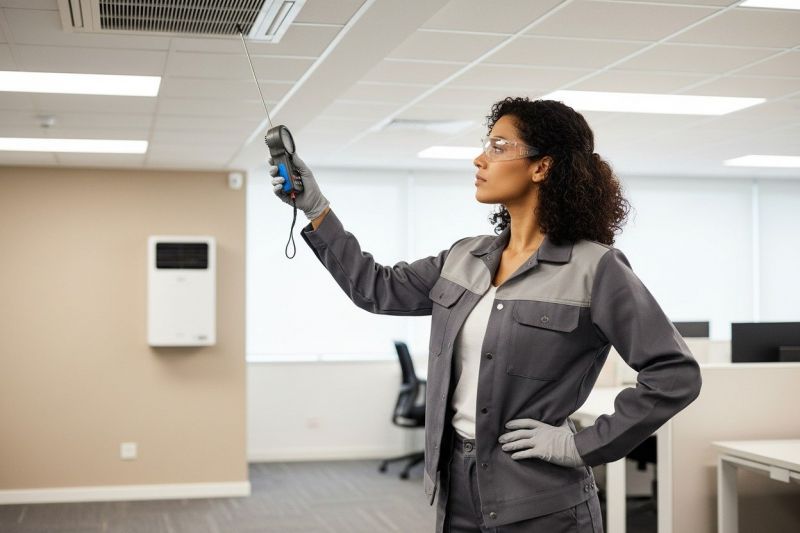
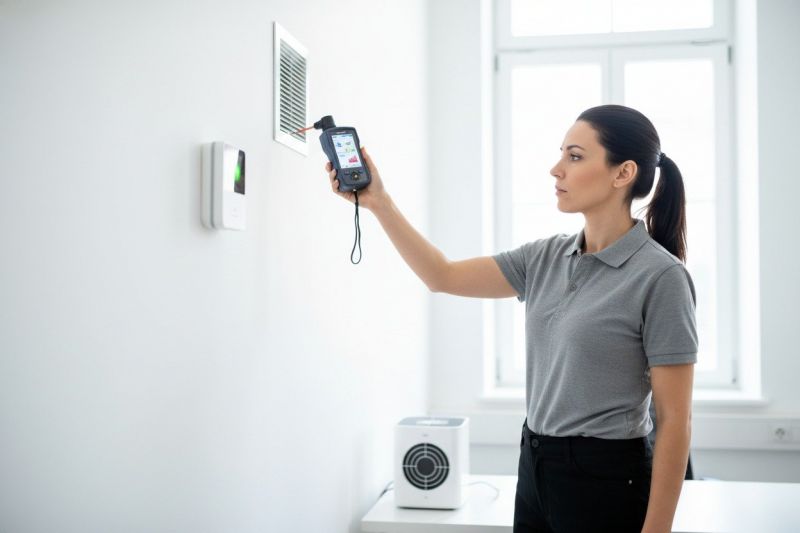
Indoor air quality testing services are often sought by property owners in Rosenberg, TX, who notice persistent odors, dust buildup, or unexplained allergy symptoms inside their homes or businesses. These tests can help identify the presence of airborne pollutants, mold spores, or allergens that may not be visible to the naked eye. By understanding what might be affecting indoor air, property owners can make informed decisions about potential improvements or necessary remediation efforts.
In addition, property owners might consider indoor air quality testing when undertaking renovations or after water damage incidents, aiming to ensure a safe and healthy environment. Testing can also be useful for those concerned about the effects of indoor pollutants on children, pets, or individuals with respiratory conditions. Connecting with local professionals can provide the expertise needed to accurately assess indoor air conditions and recommend appropriate solutions.
What is indoor air quality testing? Indoor air quality testing involves assessing the levels of pollutants and allergens in a building’s air to identify potential health risks.
Why should I consider indoor air quality testing? Testing can help detect issues such as mold, allergens, or airborne contaminants that may affect health and comfort.
How is indoor air quality testing performed? Certified professionals typically use specialized equipment to collect air samples, which are then analyzed to determine pollutant levels.
How often should indoor air quality testing be done? The frequency depends on factors like recent renovations, visible mold, or allergy symptoms; consulting a local expert can provide personalized recommendations.
Can indoor air quality testing identify mold problems? Yes, testing can detect mold spores and other indicators of mold presence that may not be visible but could impact indoor air quality.
Indoor Air Quality Testing Overview - Learn how professional testing can identify pollutants and allergens affecting indoor air quality in homes and businesses.
Benefits of Air Quality Testing - Discover how testing services can help improve health and comfort by detecting airborne contaminants.
Types of Indoor Air Tests - Explore various testing methods available to assess factors like mold, VOCs, and particulate matter.
Finding Local Air Quality Testing Experts - Contact experienced service providers in Rosenberg, TX, to schedule an indoor air quality assessment.
Considering Indoor Air Quality Testing for a property in Rosenberg, TX? The sections above highlight common project types, practical options, and details that often shape the scope of work.
When you are ready, use the quote form to share a few details about your project. Local pros can review the basics and respond with options that match what you have in mind.